
Prepare five to eight real questions, concise talking points and a quiet recording setup for the monthly session. Test sound and framing, remove private information and decide who will review the finished clips.
Build the question brief
Collect questions from recent conversations, contact forms and comments without copying client-identifying details. Choose questions that the agent can answer from actual experience or verified guidance. Put each on its own card with the intended audience, main answer, practical example, source to check and destination for a viewer who wants more detail.
For an illustrative session, choose an appointment preparation question, a process question, a recurring misunderstanding, a resource explanation and one agency-owner operating topic if that fits the channel. Avoid mixing beneficiary and B2B audiences within the same clip. The interviewer should know which person the answer is for before recording begins.
Prepare the room and equipment
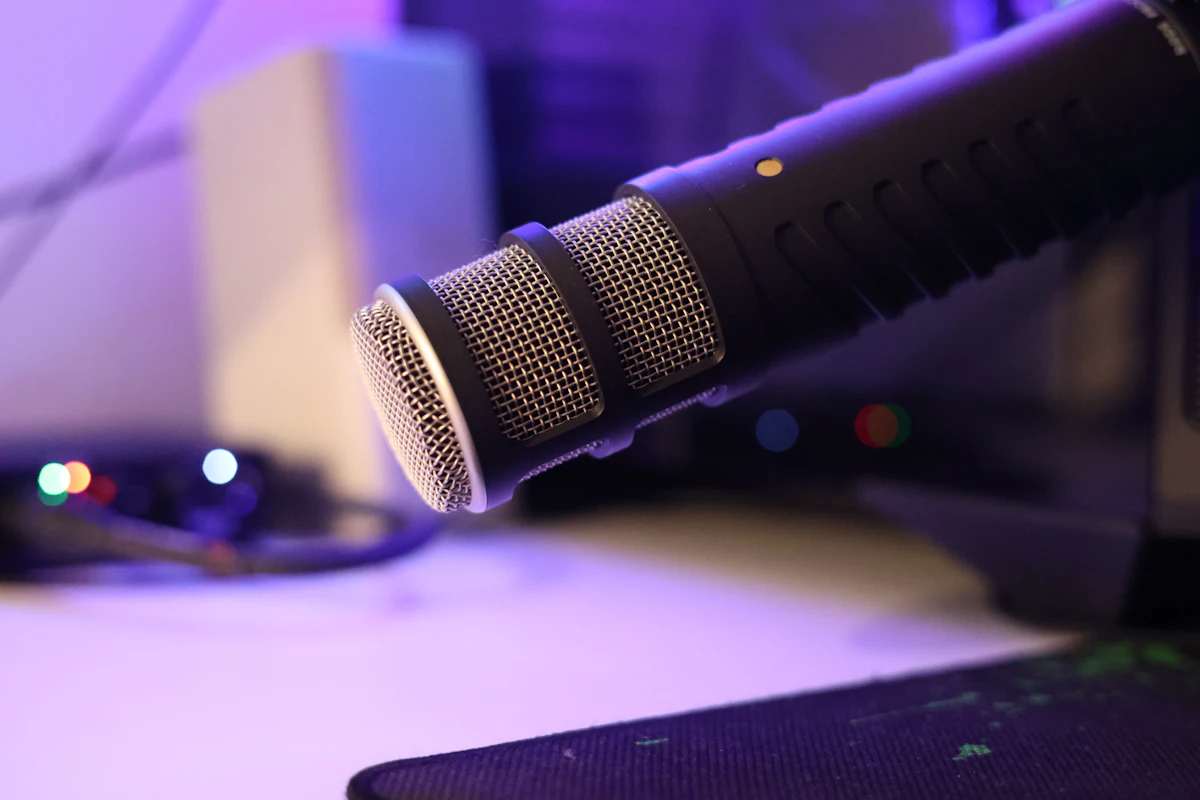
Choose a quiet room with soft surfaces and a neutral background. Listen for air conditioning, traffic and computer fan noise. Make a short test recording, play it back and check that the voice is understandable at normal volume. A camera preview alone cannot reveal poor sound. Place the camera near eye level and leave enough space for a modest crop.
Check the frame for paperwork, notifications, whiteboards, screens and photos that expose private information. Silence devices and close unnecessary applications before recording. Use consistent lighting so the session does not change appearance halfway through. If the production will use vertical clips, frame with that crop in mind while keeping important gestures and text inside the safe area.
- Record and listen to a thirty-second sound test.
- Confirm camera focus, stable framing and the planned crop.
- Remove client material and disable incoming notifications.
- Keep water, question cards and a list of exact required language nearby.
Use a simple session agenda
An illustrative hour can begin with ten minutes of setup and answer review, continue with thirty-five minutes of question recording and end with fifteen minutes of pickups and source checks. This is a production suggestion rather than a guaranteed output count. Some questions need more time or should be postponed until the relevant wording has been reviewed.
Ask the agent to answer once naturally, then repeat only the portion that was unclear. Follow up with “What should someone actually do next?” when the answer becomes generic. Keep concise talking points instead of a long memorized script, while scripting precise required language where applicable. If a statement depends on current guidance, flag it for verification rather than guessing on camera.
Hand editing a clear asset package
After recording, provide the editor with question labels, useful take timestamps, destination links and any claims still requiring review. Mark sections that should not be used. Preserve the complete answer so short edits can be checked against the surrounding context. A confident standalone sentence may become misleading if the editor removes the qualification that followed it.
Before scheduling, review finished clips with thumbnails, captions and linked pages. Record approved versions and use them to build the next month’s calendar. At the following session, revisit topics that created useful questions and improve answers that required heavy editing. Preparation should reduce avoidable cleanup while preserving the agent’s real voice and knowledge.
Questions agents ask
How many questions should we prepare?
Five to eight is a practical starting point. Adjust to answer complexity, review needs and the session length rather than forcing an arbitrary clip count.
What if an answer needs research?
Flag it, check the relevant primary source and record a corrected answer after the wording is ready.
Sources & further reading
Primary references for the rules and platform mechanics discussed here. Templates and recommendations are Medicare Marketing’s planning guidance. Examples are illustrative unless explicitly sourced.
Turn the idea into a next step.
Use the free toolkit to check your local foundation, build a content rhythm, or plan a webinar.
Explore the tools →